Child Custody Investigations
A structured, child-centred forensic process guided by the Children’s Act 38 of 2005, ensuring that every recommendation serves the best interests of the child.

Social-Emotional Assessment of the Child
This forms the foundation of the custody investigation and focuses on understanding the child’s emotional, psychological, and developmental functioning. The assessment explores how the child experiences their world, copes with stress, regulates emotions, and forms relationships. It allows for a clear picture of the child’s needs, vulnerabilities, and strengths, ensuring that all recommendations are informed by the child’s emotional wellbeing and developmental requirements.


Observational Interactional Analysis Between Parent and Child
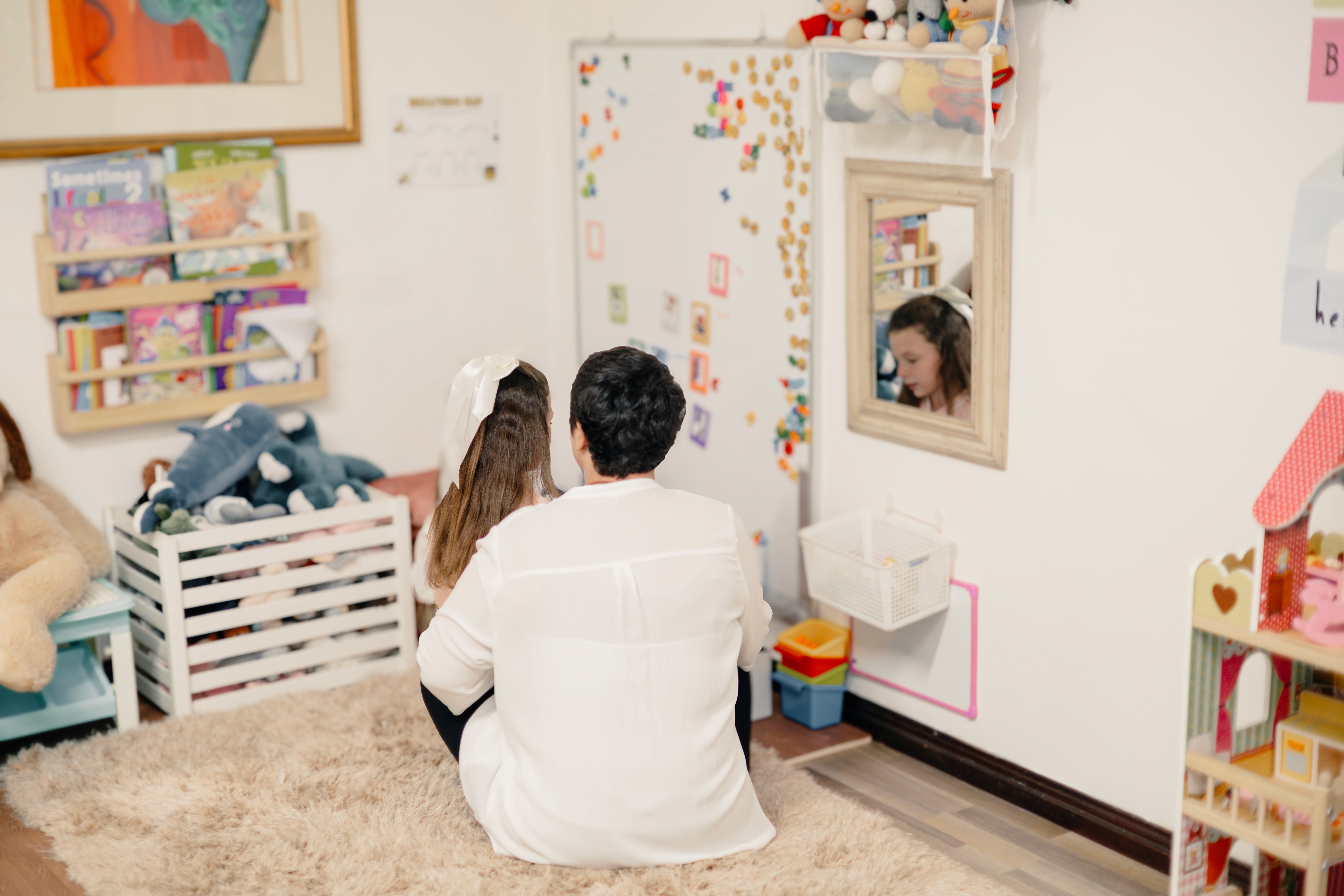
This is a structured method of observing the interaction between each parent and the child through simple, task-focused activities. It evaluates the parent’s ability to provide structure, safety, emotional attunement, comfort, and developmental support, while also observing the child’s responses and engagement. This process helps assess the quality of the parent-child relationship and how each parent meets the child’s emotional and developmental needs. It is an essential component of the broader social-emotional assessment and is never used in isolation.
Psychosocial and Collateral Investigation
This part of the process examines the psychosocial circumstances of each parent, including their emotional functioning, stability, support systems, and capacity to fulfill their parental responsibilities and rights. In addition, a collateral investigation is conducted by gathering information from relevant professionals and sources involved in the child’s life, such as schools, therapists, or medical practitioners. Together, this ensures that decisions are based on comprehensive, balanced, and reliable information that supports the child’s physical, emotional, psychological, and developmental best interests.
Assessment of Parental Capacity and Responsibilities
This component focuses on each parent’s ability to meet the practical, emotional, and developmental needs of the child. It considers how well a parent can provide consistency, structure, guidance, and emotional support, as well as their ability to make child-centred decisions. The assessment explores parenting style, insight into the child’s needs, willingness to cooperate in the child’s best interests, and the capacity to place the child’s wellbeing above personal conflict. This ensures that recommendations are grounded in each parent’s ability to responsibly exercise their parental responsibilities and rights.
Best Interest Determination and Recommendations
All information gathered through the social-emotional assessment, observational interactional analysis, psychosocial evaluations, and collateral investigations is integrated to determine what arrangements and interventions will best serve the child. This process is guided by Section 7 of the Children’s Act 38 of 2005 and focuses on promoting the child’s physical, emotional, psychological, and developmental wellbeing. The outcome is a set of professional, evidence-based recommendations aimed at creating stability, safety, and optimal developmental conditions for the child.